


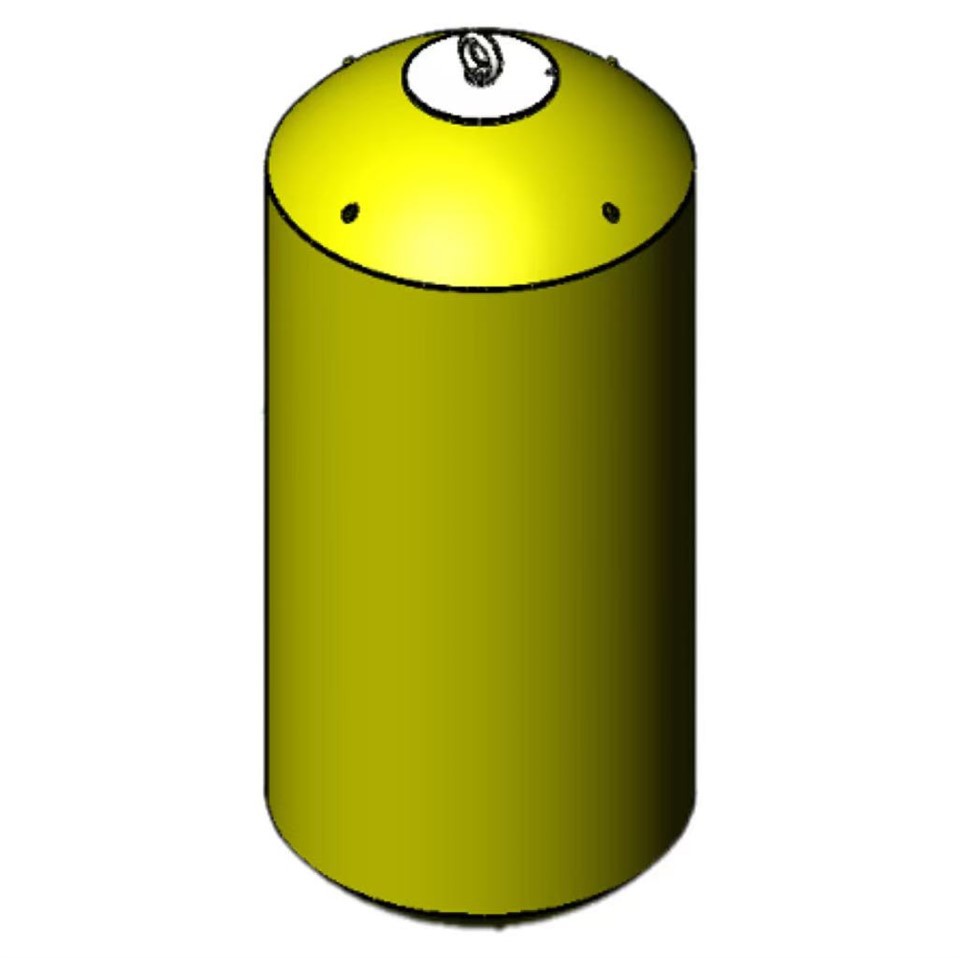

what is Pipeline Buoys?
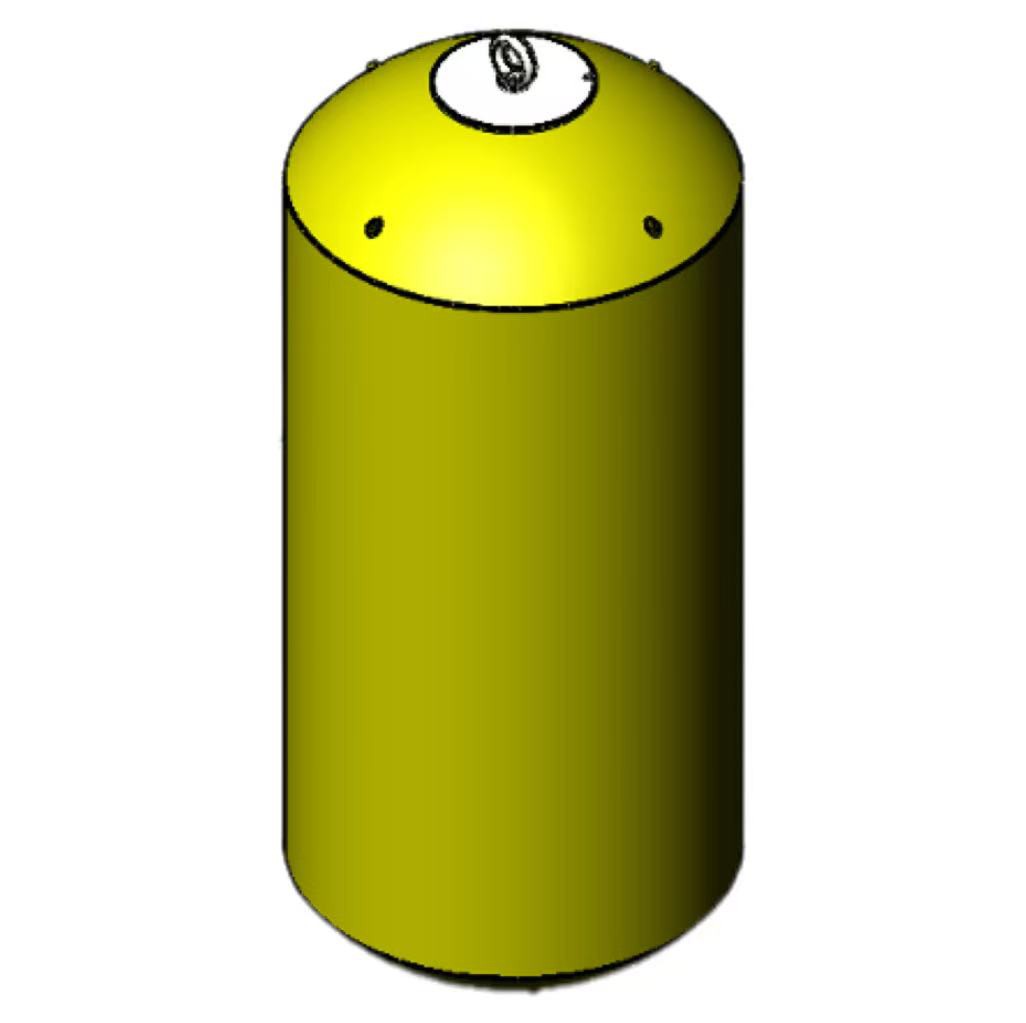
Pipeline buoys are practical marine engineering fixtures designed mainly to mark and help manage undersea pipelines used for oil, gas, and other resources. As offshore energy projects and transoceanic transport initiatives expand, these buoys have become increasingly vital to keeping submarine pipelines running safely.
In real‑world construction and operation, most oil and gas pipelines are placed directly on the seabed or buried beneath it, meaning their precise positions cannot be seen from above water. Secured on the ocean surface, pipeline buoys align with the path or critical points of submerged pipelines, offering clear visual references for vessel navigation, construction work, and routine upkeep. This design-visible above water while corresponding to structures below-makes pipeline positions far easier to track and control.
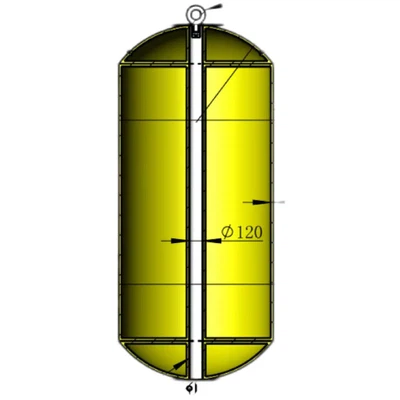
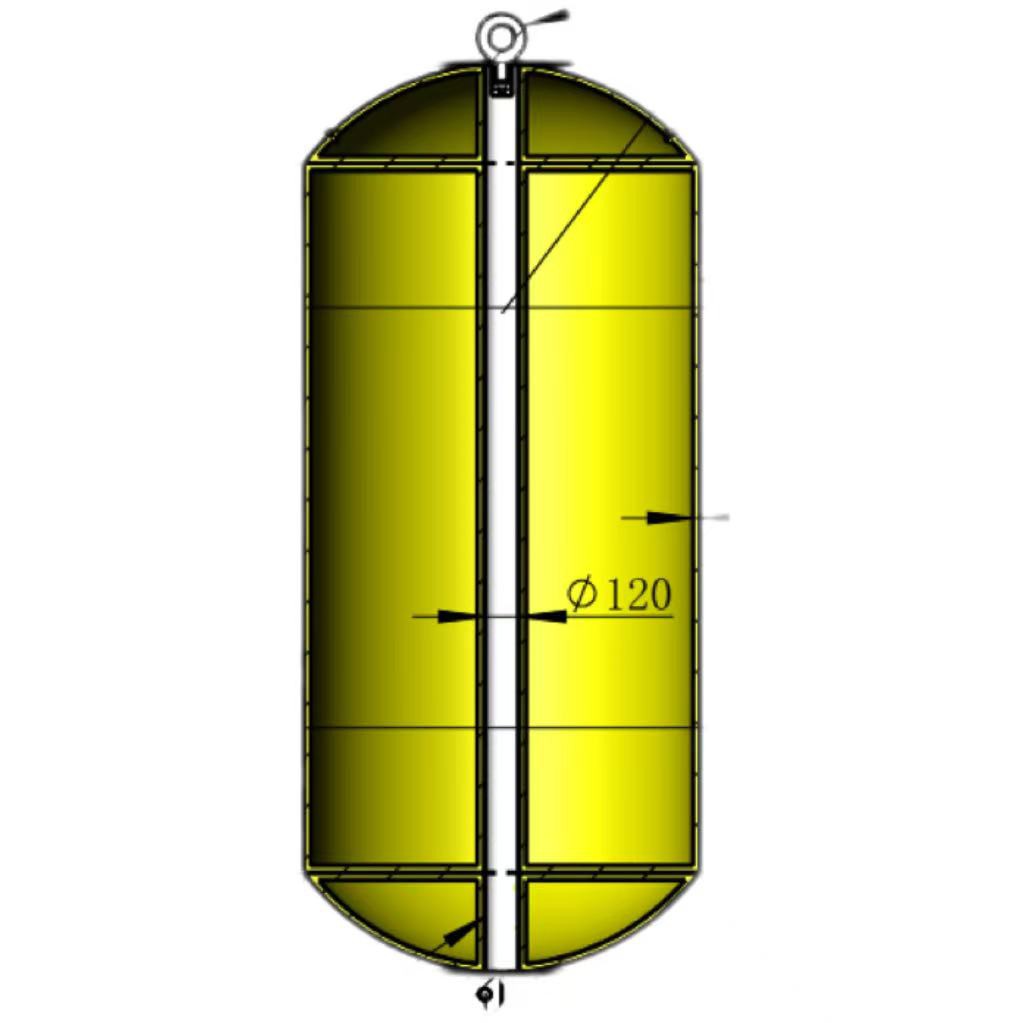
In terms of structure, a typical pipeline buoy includes a floating body, an anchoring system, warning components, and optional power and communication units. The floating body is constructed from corrosion‑resistant materials to endure prolonged exposure to harsh marine conditions. The anchoring system holds the buoy firmly in place to maintain stability. The buoy's exterior is usually painted in highly visible colours and fitted with lights or reflective strips to ensure it can be seen both during the day and at night.
In addition to basic marking functions, certain pipeline buoys are also equipped with monitoring and communication features. For instance, built-in sensors can gather hydrological data from the surrounding seawater and send the information wirelessly to onshore stations. These advanced buoys supply pipeline operators with more comprehensive environmental data, supporting staff in conducting risk evaluations and making informed operational decisions.
In short, pipeline buoys do not directly transport any fluids or materials. Instead, they serve as essential supporting equipment for the entire pipeline network. By providing position identification, safety alerts, and expandable data‑gathering functions, they enhance the manageability and operational stability of submarine pipelines within challenging marine environments.
Gallery
Main function
1. Offshore Oil and Gas Pipelines
Applications:
Offshore natural gas pipelines
Submarine oil pipelines
Connecting pipelines between offshore platforms
Purposes:
Marking pipeline locations
Alerting vessels to avoid them
Preventing damage from anchoring or trawling
2. Port and Offshore Engineering
Applications:
Port energy transmission pipelines
Submarine cable/utility gallery areas
Purposes:
Delineating safety zones
Assisting with construction and maintenance positioning
3. Submarine Cables and Utility Lines
(Although not "gas," similar buoys are used)
Applications: Communication Fiber Optic Cable
Submarine Power Cable
Applications:
Preventing external damage
Providing location reference
4. Offshore Construction and Pipeline Laying Phase
Applications:
Pipeline laying projects
Inspection and maintenance operations
Applications:
Marking construction areas
Providing location reference for vessels and equipment
5. Intelligent Monitoring Scenarios
Applications:
Pipeline areas with high environmental requirements
Risk-sensitive areas
Applications:
Monitoring hydrological environment (flow velocity, water temperature, etc.)
Data feedback
Assisting in risk prediction
AsenHe welcomes you!
Hot Tags: pipeline buoys, China pipeline buoys manufacturers, suppliers, factory