


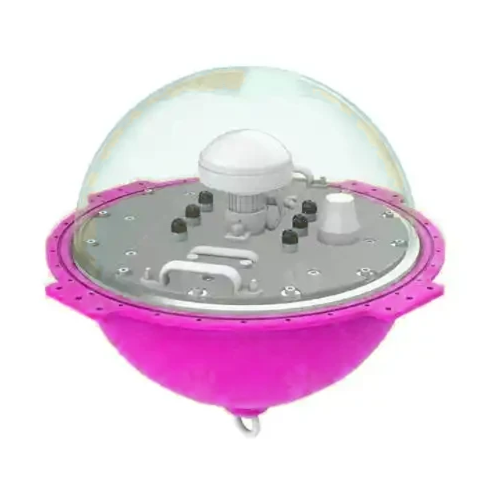


Main map
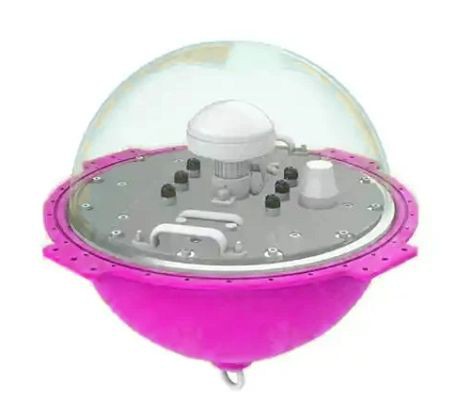


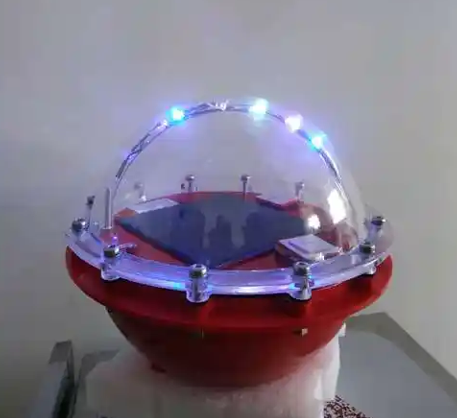
Drift buoys are floats released into the sea by ships or aircraft to float with the currents. It consists of buoys, sensors, data transmission, system control, power supply and data quality control system. Different types of current plates (such as curtain type) are installed on the buoy, allowing it to better move in the direction of ocean currents. The sensor system includes sensors for air temperature, wind speed, direction, water temperature, waves and ocean currents. A VHF transmitter is used for data transmission. System control is handled by a microcomputer. It can observe, record, process and transmit hydrological and meteorological data automatically and continuously. The data quality control system performs parameter range identification, time continuity quality control and acceleration quality control for the ground speed sensor. It has been used in the North Atlantic Experiment of the Global Atmospheric Research Program, the North Pacific Experiment and the First Global Experiment of the Global Atmospheric Research Program. The Real-time Geothermal Oceanographic Buoy Array (ARGO) float buoy currently in use can sink to a depth of 1,000 meters from the surface, rise to the surface every 18 days, and send temperature, salinity and other data to satellites and then to shore stations.
Product Specifications
|
Drifting buoys |
|
|
Floating body |
Made of corrosion-resistant, wind-resistant lightweight material, to ensure that the equipment can work stably for a long time under harsh sea conditions , designed service life of more than 10 years |
|
Data acquisition and transmission system |
The information collected by the sensors is integrated and processed for transmission in real time to a receiving station on shore by satellite communication or radio waves. |
|
Power supply unit |
Solar power supply system is used to ensure long time independent operation of equipment |
Wave drifting buoy is a small buoy measurement system that uses the principle of gravitational acceleration to measure waves. It can obtain real-time wave height, wave period, wave direction, one-dimensional energy density spectrum, two-dimensional directional spectrum, and spectral characteristic parameters of wind waves and swells. At the same time, it can invert wind speed, wind direction, and other data based on the wave spectrum.
Performance Index
(1) Material: Plastic Material Size: 0.45 meters Weight: 18KG Shape: Spherical
(2) Communication methods: Beidou satellite communication, Iridium satellite communication, 4G module communication.
(3) Photovoltaic panel 1 × 20W, 1X30AH lithium battery, 4G version IoT collector (4-channel) modbus-rtu@rs485 , GPS)
(4) Specific technical parameters: frequency spectrum: 0.04-1.0Hz; Wave direction spectrum: 0-360 ° frequency wave direction energy spectrum: 0.04-1.0Hz, 0-360 °
- Wave height range: 0.01-25m Accuracy:< ±3%
- Cycle range: 1.0-30s Accuracy:<± 0.2 seconds
- Wave direction range: 0-360 ° Accuracy: ± 5 °
- Current:< 50mA
- Supply voltage: 3.3V
- Data interface: TTL level. RS485
Application Scenarios
1.Nuclear radiation monitoring
2.Marine environmental protection and research
3.Meteorological monitoring .
Packaging and Transportation
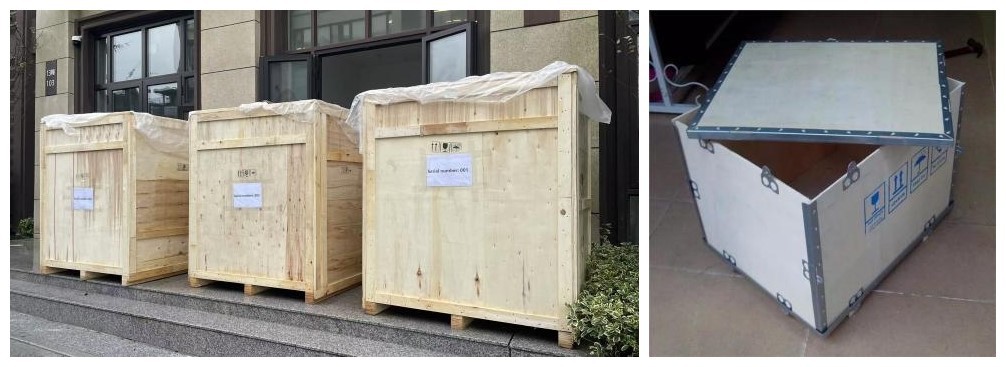
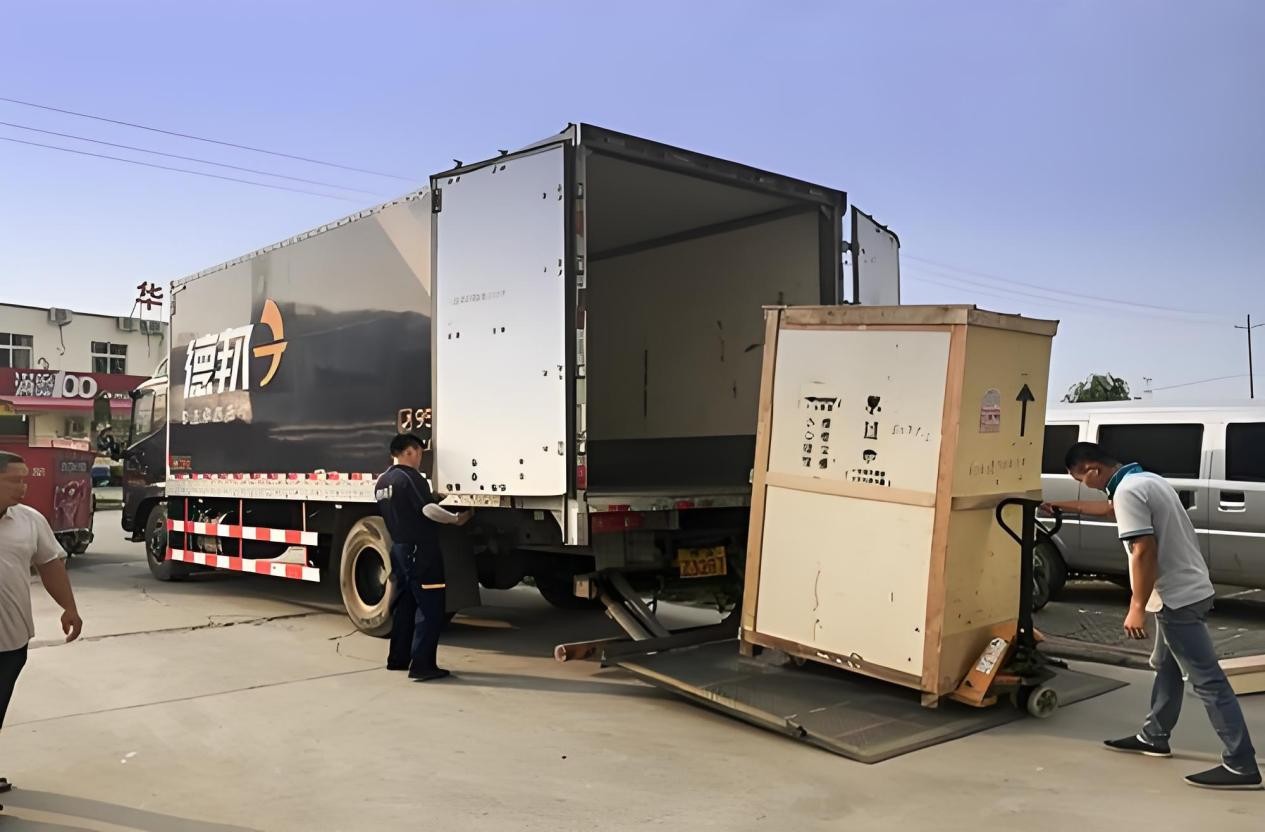
Maintain a suitable temperature environment to avoid deformation or deterioration of wooden cases in high or low temperature environments. In the humid climate environment, take moisture-proof measures, such as using moisture-proof cardboard or installing moisture-proof bags, etc., to prevent the wooden box from moisture deformation
Hot Tags: west bay wave buoy, China west bay wave buoy manufacturers, suppliers, factory, Drifting monitoring buoy, Drift Monitoring Buoy, water health monitoring buoy, satellite drifting buoys, mission bay buoy west, buoy home water monitoring system