


Not all wave sensors perform the same. Choosing the right one depends on more than just specifications.
Here are a few practical factors to consider.
1. Measurement Range and Accuracy
Start with the basics:
Wave height range
Period range
Direction accuracy
Make sure the sensor matches your project conditions, especially if you are working in high sea states or long-period swell regions.
2. Low-Frequency Performance
This is often overlooked.
If your project involves swell analysis, the sensor must perform well at low frequencies (around 0.04 Hz). Poor performance here can lead to incomplete data.
3. Stability Over Time
Wave measurement involves continuous data processing. Small errors can accumulate.
Look for systems that address:
Integration drift
Noise filtering
Long-term stability
This ensures the data remains consistent over extended deployments.
4. Data Output and Compatibility
Check how the data is delivered:
Real-time transmission or storage
Output formats
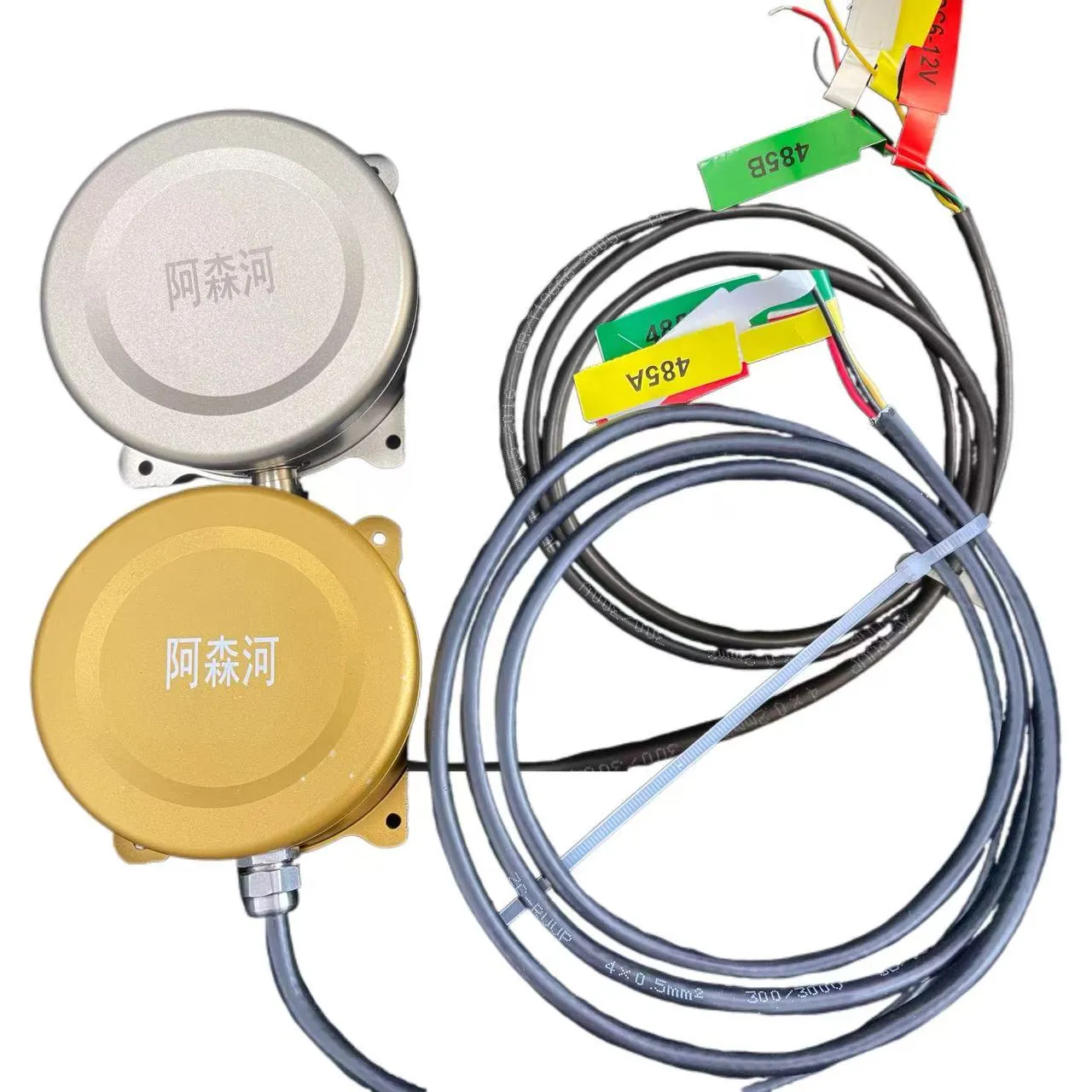
Interface (e.g., TTL, serial communication)
Compatibility with your existing system can save a lot of time later.
5. Power Consumption
For buoy-based deployments, power is limited.
Low-power designs help extend operation time and reduce maintenance frequency.
6. Real-World Testing
Specifications are important, but field performance matters more.
Ask for:
Deployment cases
Test data
Application references
This gives a clearer picture of how the sensor performs in real conditions.
Choosing a wave sensor is not just about picking a device-it's about ensuring reliable data for your entire project.