


Wave data plays an important role in many marine activities, from offshore construction and port operations to scientific research and environmental monitoring. A wave buoy is one of the most widely used tools for collecting this type of data. However, not all wave buoys are the same, and choosing the right one requires a clear understanding of key features.
One of the first aspects to consider is the wave measurement technology used inside the buoy. Many modern wave buoys rely on inertial measurement units (IMU), which use accelerometers and gyroscopes to detect motion. By analyzing this motion, the system can calculate parameters such as wave height, wave period, and wave direction.
Compared to older measurement methods, IMU-based systems offer a more compact structure and can be integrated directly into the buoy body. This allows for a more streamlined design while still capturing detailed wave information, including wave spectrum and directional spectrum.
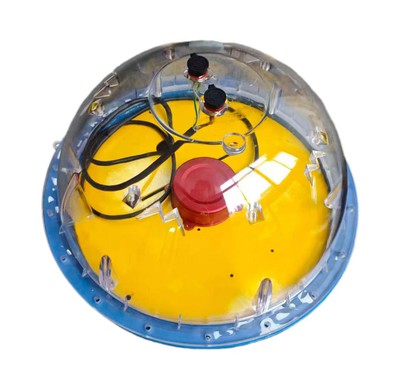
Another important factor is data stability, especially in real sea conditions. Ocean waves are not always regular, and low-frequency swells can be difficult to measure accurately. A well-designed wave buoy should be able to handle a wide frequency range and maintain consistent output even when conditions change.
In practical applications, users often rely on wave data to make decisions. For example, offshore construction projects may depend on wave height and period data to determine safe working conditions. If the data fluctuates too much or lacks consistency, it can affect planning and operations. This is why stability is just as important as measurement capability.
Power consumption is also a key consideration. Wave buoys are usually deployed in remote areas where regular maintenance is not convenient. A low-power design helps extend the operating time of the system. Many buoys combine energy-efficient electronics with solar panels, allowing them to operate continuously for long periods without manual intervention.
The communication system is another feature that should not be overlooked. Depending on the deployment location, different communication methods may be used, such as 4G networks, radio transmission, or satellite communication. Each option has its own advantages. For example, 4G offers faster data transfer in coastal areas, while satellite communication is more suitable for offshore or open ocean deployments.
Real-time data access has become increasingly important. Being able to monitor wave conditions remotely allows users to respond quickly to changes, improving both safety and efficiency. In some cases, data can also be integrated into larger monitoring platforms for analysis and forecasting.
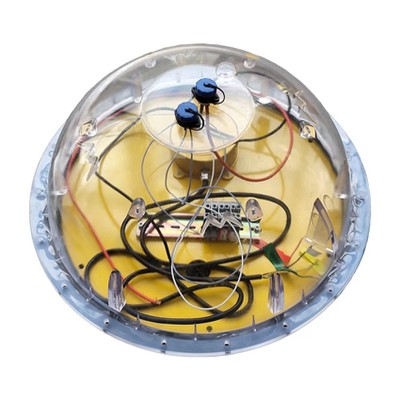
Structural design is another key factor that affects performance. A wave buoy needs to remain stable on the water surface while accurately capturing motion. The shape, size, and weight distribution of the buoy all influence how it responds to waves. A balanced design helps ensure that the collected data reflects actual sea conditions rather than being affected by excessive movement or instability.
Durability is equally important. Marine environments can be challenging, with constant exposure to saltwater, UV radiation, and biofouling. Materials used in the buoy must be able to withstand these conditions over time. A reliable structure reduces the need for frequent maintenance and helps ensure consistent performance throughout the deployment period.
Customization is another aspect that is becoming more relevant. Different projects have different requirements, and a standard wave buoy may not always meet specific needs. For example, some users may require additional sensors to measure water temperature or currents alongside wave data. Others may need specific data transmission intervals or power configurations.
By allowing for flexible configurations, a wave buoy can be adapted to a wide range of applications. This makes it a more practical solution for both short-term studies and long-term monitoring projects.
In addition, ease of deployment and maintenance should also be considered. A design that simplifies installation can save time and reduce operational complexity. This is especially important in offshore environments where deployment conditions can be unpredictable.
In summary, selecting the right wave buoy involves more than just checking basic specifications. Factors such as measurement technology, data stability, power consumption, communication methods, structural design, and customization all play a role in overall performance.
As the demand for accurate marine data continues to grow, wave buoys are evolving to become more adaptable and efficient. By focusing on these key features, users can choose a solution that better fits their monitoring needs and operating conditions.