


In the vast ocean and open water environments, acquiring stable data over long periods is not easy. Monitor buoys, as monitoring platforms capable of long-term surface deployment, provide a feasible method for data acquisition in these environments. Through proper sensor configuration, buoys can operate continuously under varying water depths and environmental conditions.
In marine environments, monitor buoys are typically deployed in fixed areas to record environmental changes over extended periods. The buoy maintains a relatively stable position on the surface, while sensors are installed near the surface or at different depths as needed. In this way, the buoy can continuously acquire relevant information about the water body and its surrounding environment, providing fundamental data for understanding changes in the marine environment.
In open water scenarios, water currents, waves, and weather conditions vary significantly. Monitor buoys maintain a stable position on the surface through their floating structure, allowing sensors to operate continuously at designated locations. Compared to shipborne or short-term observation methods, buoy monitoring is more suitable for long-term data accumulation, helping to observe the overall trends of water changes.
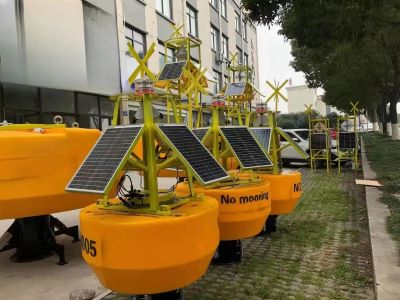
In ocean monitoring missions, monitor buoys are frequently used to acquire various types of data. These data reflect changes in water bodies over different time periods, such as daily fluctuations or periodic changes. Through long-term operation, the buoy system can generate continuous data records, providing a reference for subsequent analysis.
From a system operation perspective, Monitor Buoys typically possess automatic data acquisition and remote transmission capabilities. The data acquisition unit operates at set time intervals, storing and transmitting the collected information to a shore-based platform. Users can view real-time or historical data in a backend system, reducing the need for on-site operations. This operating mode makes the buoy's use in open water more stable.
Based on our company's practical experience in buoy-type monitoring equipment, the design of Monitor Buoys considers the stability requirements of marine and open water environments. The float structure is adjusted according to the operating environment to adapt to different water conditions; the system configuration aims to meet long-term operational needs, enabling the buoy to continuously collect data over extended periods.
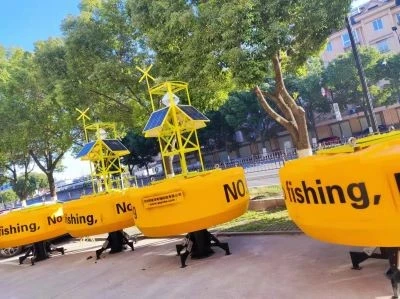
In terms of maintenance and management, the marine environment places higher demands on the equipment. During long-term operation, Monitor Buoys require regular status checks and maintenance to ensure the proper functioning of sensors and the system. A reasonable maintenance schedule helps ensure the continuity and integrity of data acquisition.
Overall, Monitor Buoys primarily undertake long-term environmental data collection in marine and open water monitoring. Through stable operation, the buoy system provides fundamental support for understanding changes in the aquatic environment. As application demands increase, the methods of using buoys in marine and open water are constantly being improved.