


Monitor buoys are a common and practical monitoring device for long-term observation of oceans, lakes, and nearshore waters. Using a buoy as a carrier, various sensors are deployed on the water surface and within the water body to continuously collect environmental data. Compared to temporary measurement methods, buoy monitoring emphasizes long-term and continuous operation, and is therefore widely used in various water monitoring tasks.
Structurally, a monitor buoy typically consists of a float, sensor modules, a data acquisition unit, a communication system, and a power supply system. The float maintains a stable position on the water surface, providing support for the equipment; sensors are configured according to application requirements and can be installed on the surface of the float, underwater, or connected to a designated depth via cables. This structural combination allows the buoy to operate continuously without frequent human intervention.
In marine environmental monitoring, monitor buoys are often used to collect basic environmental information. Parameters such as water temperature, salinity, and meteorological conditions can be recorded long-term by the buoy system. This type of data is fundamental for understanding changes in the marine environment and also helps to form time-series data for subsequent analysis and research. Compared to single measurements, long-term monitoring more effectively reflects the overall trend of environmental change.

In nearshore waters and port areas, the application of Monitor Buoys often focuses on the continuous observation of water conditions. By deploying buoys, long-term records of water changes, such as water level fluctuations and water state variations, can be kept. This monitoring method helps relevant units to promptly grasp the operational status of water bodies, providing reference data for management and research.
In inland water bodies such as lakes and reservoirs, Monitor Buoys also have practical application value. Due to the large area of these water bodies and the high cost of manual patrols, buoy monitoring has become a common solution. By deploying buoys at key locations, long-term water-related data can be obtained, reducing the workload of frequent manual measurements.
In terms of data acquisition, Monitor Buoys typically collect data automatically at set time intervals and transmit it to a shore-based platform via wireless communication. Users can view real-time data or historical records in the backend system. This automated data acquisition method makes monitoring more continuous and facilitates comparative analysis of long-term changes.
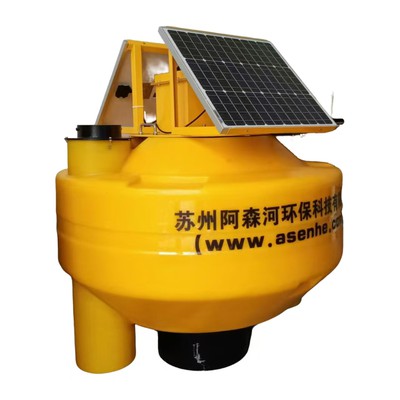
Based on our company's practical experience in buoy products, the application of Monitor Buoys often involves adjusting the buoy structure and sensor configuration according to different aquatic environments and monitoring targets. Through a reasonable system combination, the buoy is better suited to specific usage scenarios, thereby meeting the basic needs of long-term monitoring.
Overall, the Monitor Buoy is an aquatic observation device characterized by long-term, continuous monitoring. It can undertake basic data acquisition tasks in various aquatic environments, providing support for understanding changes in water bodies and the environment. As monitoring needs continue to increase, the ways in which buoys are used in different application scenarios are also gradually becoming more diverse.