


Additive pumps are widely used in the cosmetics sector to deliver exact amounts of fragrances, pigments, and moisturizers, ensuring product consistency. However, recent criticism has surfaced over their compliance with quality standards. Reports of leaks and calibration faults have raised red flags for regulators and consumers alike, pushing manufacturers to fast-track upgrades in pump design and monitoring systems.
Precision Role in Cosmetic Formulation
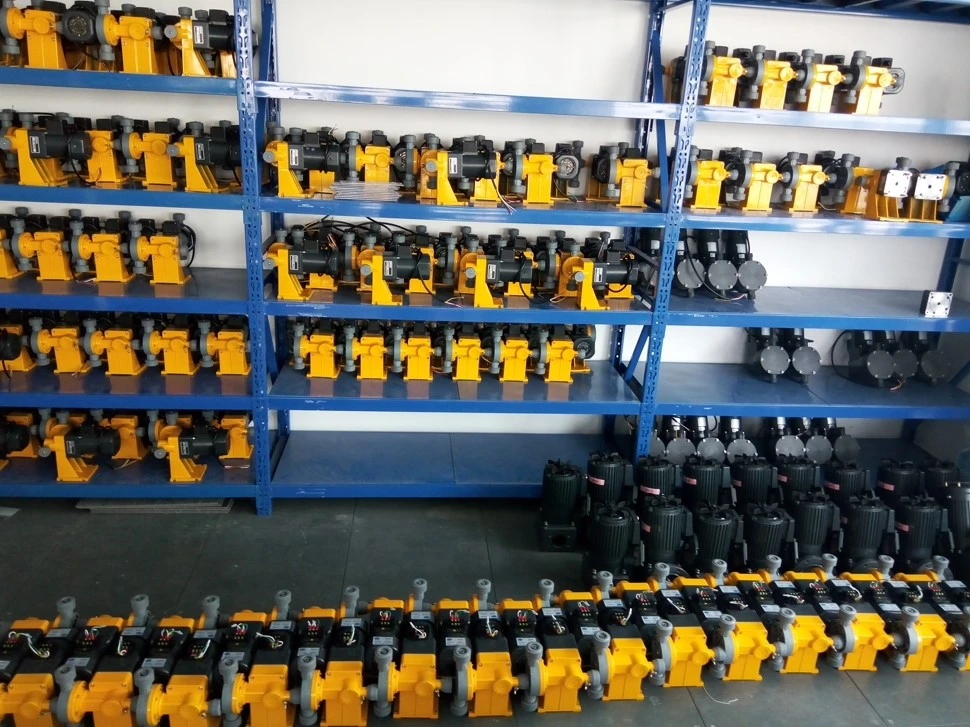
These pumps-often designed as metering systems-regulate the movement of liquid ingredients with remarkable accuracy, limiting dosing errors to around 2%. Constructed with corrosion-resistant housings and powered by electronic drive units, they can achieve data reliability levels near 98%. By 2024, an estimated 70% of global cosmetics production facilities incorporated additive pumps in the manufacturing of skincare and makeup, with equipment lifespans averaging a decade.
"Additive pumps are essential for maintaining product standards, yet malfunctions can carry serious consequences," stated a representative from the International Cosmetics Association.
Key Concerns Behind the Debate
Criticism within the industry and from consumer advocates has centered on:
Seal failure and leaks – Broken seals may release active ingredients or fragrance oils. In 2024, one European brand was forced to recall face cream worth $3 million due to leakage.
Calibration drift – Inaccurate sensors can cause dosing discrepancies. A plant in Asia reported pigment miscalculations of up to 0.2%, producing noticeable 5% shade variations.
Residue contamination – Incomplete cleaning leaves behind trace materials, which compromise the following batch and increase rejection rates by 3%.
Consumer groups argue that such flaws not only compromise quality but also increase the risk of skin sensitivities, demanding stricter quality inspection protocols.
Impact on Industry and Consumers
While additive pumps have raised concerns, they also enable unmatched precision. A skincare company, for example, improved consistency by 10% through optimized dosing by 2025. Still, the controversy has led to wider repercussions:
Financial losses – Recalls from faulty batches in 2024 cost the industry nearly $20 million worldwide.
Regulatory action – Both the EU and U.S. plan to mandate pump certification starting 2026, with penalties reaching €300,000.
Erosion of consumer trust – Safety scares have led to approval ratings for certain brands dropping by as much as 12%.
Industry Countermeasures and Innovation
To restore credibility, manufacturers are investing heavily in new technology:
Triple-seal protection – Advanced pumps now feature three-layer sealing, cutting leakage rates down to 0.01% in line with ISO 22716.
AI-driven control – Smart monitoring systems detect deviations in real time, reducing calibration faults by 90% and reaching 98% accuracy.
Automated cleaning – Sterile cleaning protocols cut residual contamination by 99%, while lowering upkeep costs by one-fifth.
Modular systems – Replaceable pump bodies have reduced repair downtime by 50%.
One French cosmetics conglomerate has committed $50 million toward upgrading its pumping systems, with the goal of achieving zero-defect output by 2026.
Wider Benefits
The adoption of upgraded pumps offers multiple gains:
Economic savings – Improved efficiency could cut recall-related losses by 10%, saving roughly $15 million in 2024 alone.
Public health – More reliable dosing lowers the risk of skin reactions by around 8%.
Sustainability – Precision dosing reduces ingredient waste by 10% and decreases CO₂ emissions by 800 tons annually.
Public support is also on the rise, with social media campaigns seeking 100,000 endorsements for pump-quality reforms by 2025.
Looking Forward
By 2030, industry analysts expect that 85% of cosmetics production lines will be equipped with smart, AI-enabled pumps capable of full-cycle monitoring. For smaller companies, micro-pump technology could lower costs by 15% while maintaining quality. These innovations promise to balance cost efficiency, consumer safety, and sustainability in cosmetic production.
Conclusion
The debate around additive pumps underscores both their indispensability and their vulnerabilities in cosmetics manufacturing. While leaks, calibration issues, and contamination risks have shaken trust, ongoing improvements-ranging from triple-seal systems to AI-driven optimization-are transforming pumps into more reliable tools. Looking ahead, intelligent pumping solutions are set to reinforce product safety, rebuild public confidence, and promote sustainable development across the global beauty industry.