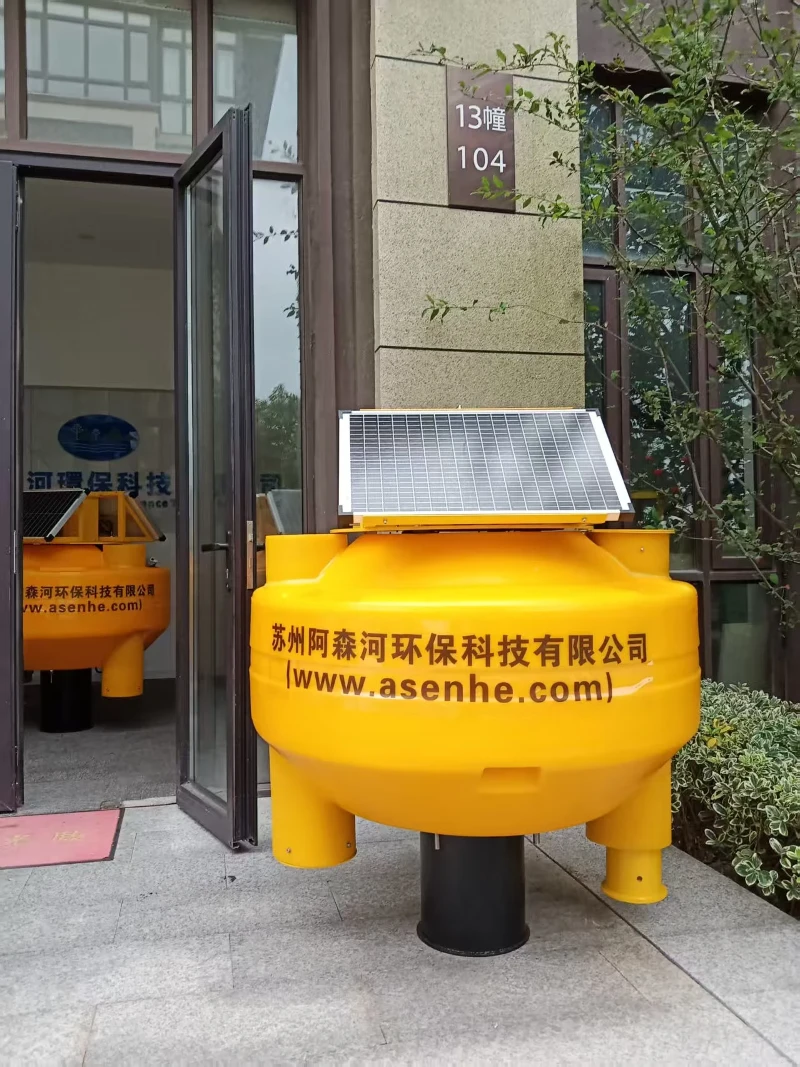
Amid the global response to climate change, the scientific community is accelerating research into carbon cycle mechanisms to more accurately assess the ocean's role in absorbing and releasing carbon dioxide. These high-tech instruments floating on the ocean surface not only provide scientists with real-time data, but also advance our understanding of the global carbon cycle, providing crucial scientific evidence for addressing climate change.
Unique Capabilities of Environmental Buoys
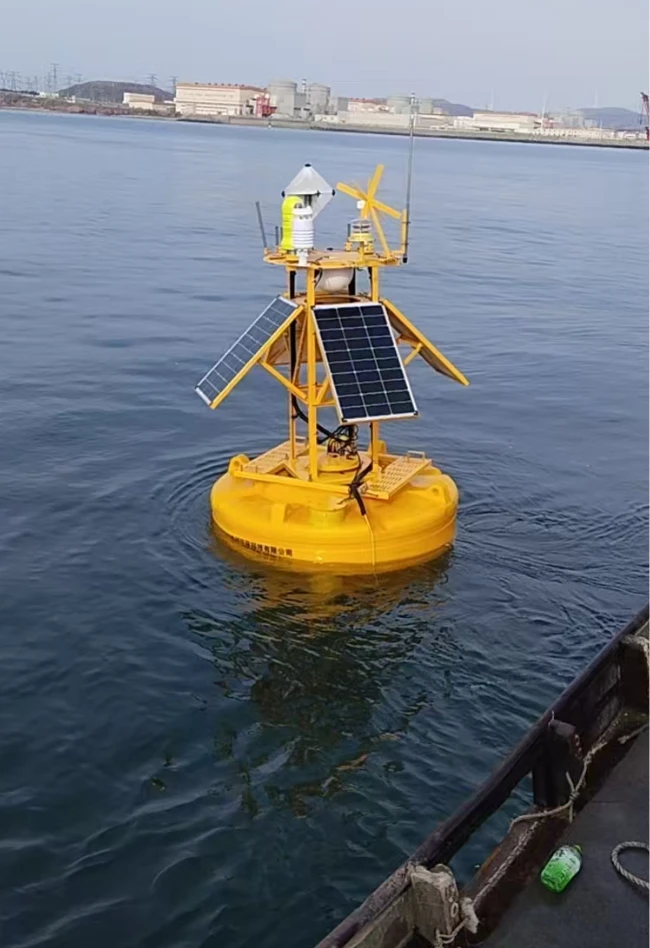
Environmental buoys are typically equipped with a variety of sensors capable of measuring key parameters such as seawater temperature, salinity, dissolved oxygen, pH, and carbon dioxide concentration. This data is crucial for studying how the ocean absorbs and stores atmospheric carbon dioxide. According to a recent report from the International Marine Research Council (IMRC), the ocean absorbs approximately 25% of global carbon dioxide emissions annually, and environmental buoys are a core tool for monitoring this process.
For example, buoy networks deployed in the Pacific and Antarctic Oceans can record real-time changes in carbon fluxes at the air-sea interface. This data helps scientists analyze seasonal fluctuations in the ocean's carbon sink and its long-term impact on the global climate system. In 2024, analysis of buoy data indicated that the Southern Ocean's carbon absorption capacity may be weakened by ocean acidification, a finding that further heightened international attention to marine ecological conservation.
Technological Advances Drive Research Breakthroughs
In recent years, technological advances in environmental buoys have significantly improved the accuracy and coverage of data collection. Modern buoys are not only capable of autonomous navigation but also transmit data in real time via satellite communications. For example, the next-generation buoys developed by the National Oceanic and Atmospheric Administration (NOAA) are equipped with artificial intelligence algorithms that optimize data collection paths based on ocean currents and weather patterns, thereby covering a wider area of ocean.
Furthermore, the miniaturization and low cost of buoys have enabled their widespread global deployment. Currently, over 5,000 environmental buoys are in operation worldwide, forming a vast ocean observation network. This network provides unprecedented data support for international carbon cycle research, particularly in remote areas such as the deep seas of the Arctic and Indian Oceans.
International Cooperation and Data Sharing
The success of environmental buoys is inseparable from international cooperation. The Global Ocean Observing System (GOOS) coordinates buoy projects from multiple countries to ensure data standardization and sharing. For example, the Institute of Oceanology of the Chinese Academy of Sciences, in collaboration with the European Union for Marine Science, has deployed hundreds of buoys in the western Pacific to monitor carbon cycle dynamics in tropical waters. This data is widely used to validate and optimize climate models.
In June 2025, at the International Climate Conference in Paris, scientists proposed a new initiative based on buoy data, calling for the establishment of a global carbon cycle monitoring database. This database will integrate data from buoys, satellites, and ground stations to provide more comprehensive information support for policymakers and researchers.
Environmental buoys, serving as a bridge between ocean and climate research, are injecting new vitality into global carbon cycle research. They not only reveal the critical role of the ocean in the climate system but also provide valuable data support for the international community's response to climate change. With continuous technological advancements and deepening international cooperation, environmental buoys are poised to play an even greater role in future climate research and contribute to the achievement of global carbon neutrality.