


Selecting the right Environmental Buoy is not simply a matter of comparing specifications. Each water body presents different environmental conditions, monitoring goals, and operational constraints. A well-matched buoy system can operate reliably for years, while a mismatched configuration may lead to unnecessary maintenance or incomplete data.
Understanding several key factors before deployment can significantly improve project outcomes.
1. Define the Monitoring Objective First
Before choosing any Environmental Buoy, clarify what problem the system is intended to solve.
Is the focus on:
Long-term water quality trend analysis?
Coastal wave and marine condition observation?
Reservoir level management?
Offshore engineering support data?
Each objective requires a different sensor combination and system configuration. For example, a water quality project may prioritize dissolved oxygen, conductivity, and turbidity sensors, while a coastal application may require wave height, period, and directional data.
Choosing sensors based strictly on technical possibility rather than practical necessity often increases system complexity without improving monitoring value.
2. Evaluate Deployment Environment
Environmental Buoys must be designed according to deployment conditions.
Key environmental considerations include:
Water depth
Wave intensity
Current speed
Corrosion exposure
Seasonal weather variations
A buoy designed for calm inland lakes may not be suitable for nearshore marine conditions. Offshore environments typically require stronger structural support and enhanced anti-corrosion materials.
In many customized buoy projects, structural adaptation is as important as sensor configuration.
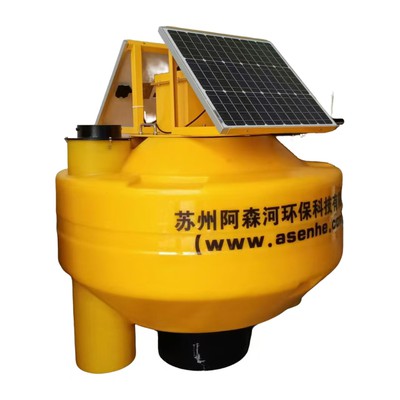
3. Consider Power Management and Data Transmission
Long-term operation depends heavily on efficient power usage. Solar panels combined with battery systems are commonly used, but energy balance must be carefully calculated.
Important questions include:
How frequently will data be sampled?
How often will data be transmitted?
What communication networks are available at the site?
Reducing unnecessary transmission frequency can significantly extend deployment duration. A well-designed Environmental Buoy balances data resolution with energy efficiency.
4. Integration with Existing Monitoring Systems
Modern environmental monitoring often relies on centralized data platforms. Therefore, compatibility becomes a practical concern.
An Environmental Buoy should support standardized data output formats and flexible communication protocols. Smooth integration into existing monitoring networks reduces additional software adjustments later.
In many real-world projects, clients prioritize system compatibility over hardware complexity.
5. Standard Model or Customized Solution?
Standardized Environmental Buoy models may work well for general monitoring needs. However, in projects with unique environmental conditions or specific technical requirements, customization provides better alignment.
A modular buoy design allows adjustment of:
Float size and structural layout
Sensor combinations
Communication modules
Power capacity
This approach avoids unnecessary configuration while ensuring the system meets project-specific demands.
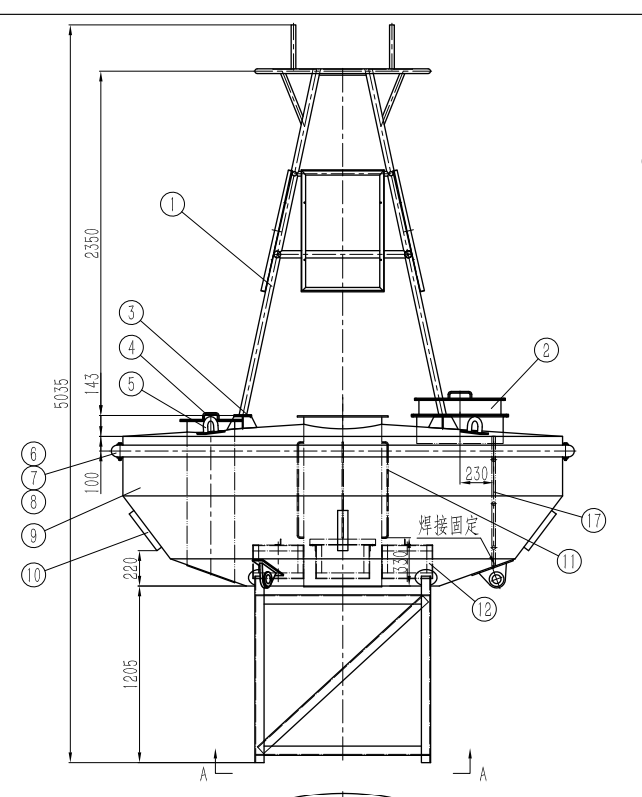
6. Plan for Maintenance and Longevity
Even autonomous systems require periodic inspection. When selecting an Environmental Buoy, consider:
Ease of sensor replacement
Accessibility for maintenance
Long-term structural durability
Design decisions made early in the project stage can directly affect lifecycle costs and operational continuity.
Conclusion
Choosing the right Environmental Buoy requires balancing environmental conditions, monitoring goals, power management, and system integration. Rather than focusing solely on specifications, it is more effective to evaluate how well the buoy aligns with long-term operational needs.
With thoughtful planning and appropriate configuration, an Environmental Buoy becomes a stable, long-term observation platform supporting environmental assessment and marine research.