


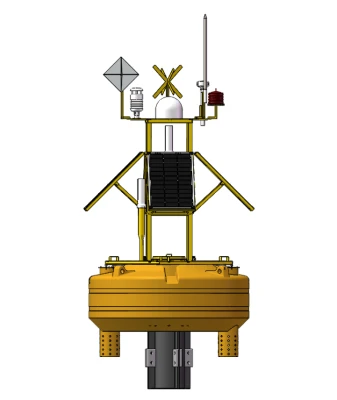
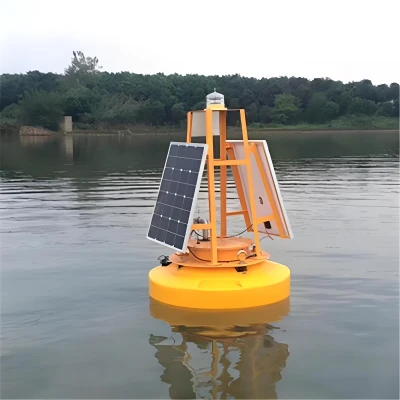
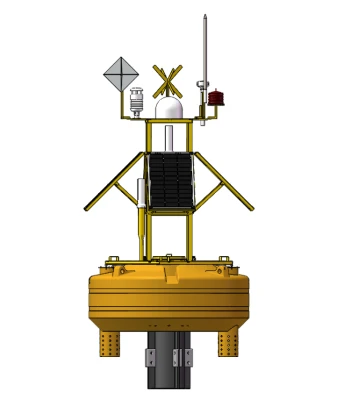
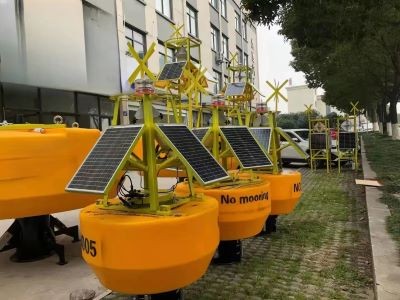
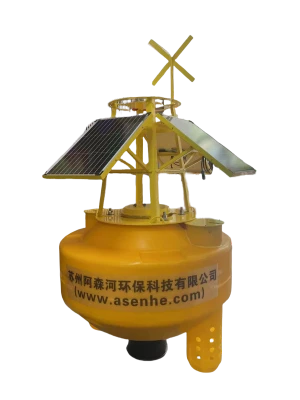
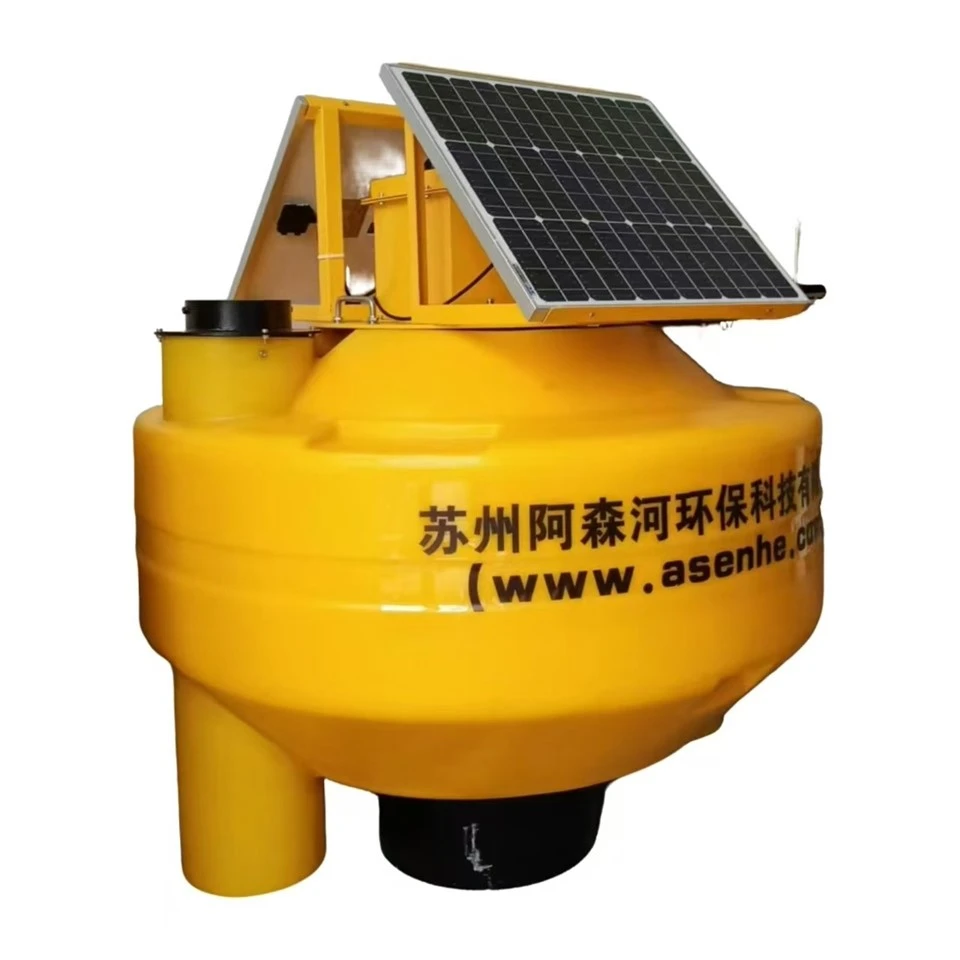
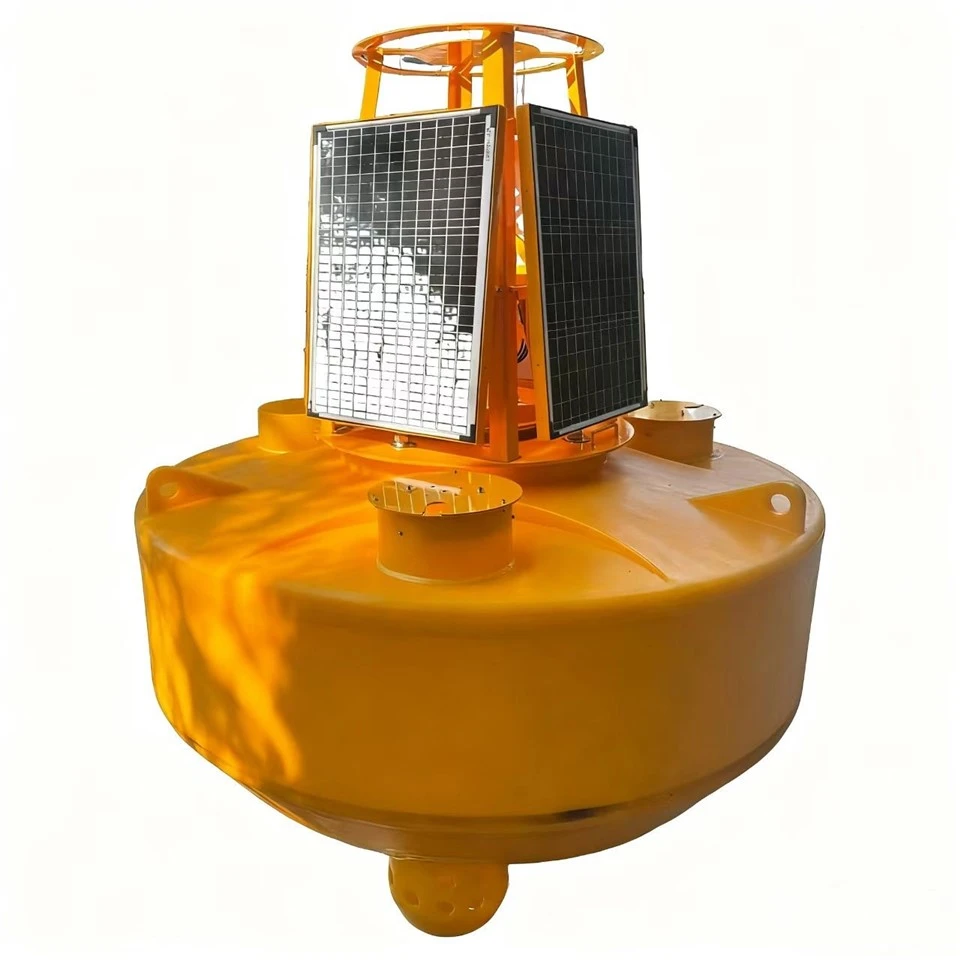
what is environmental buoy?
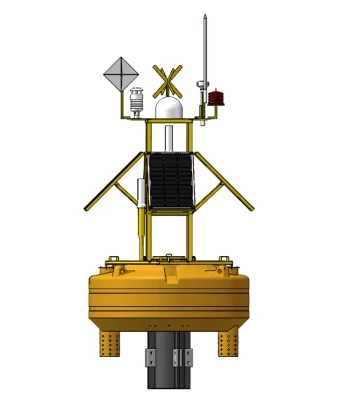
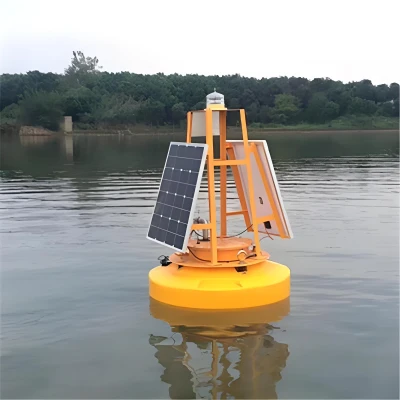
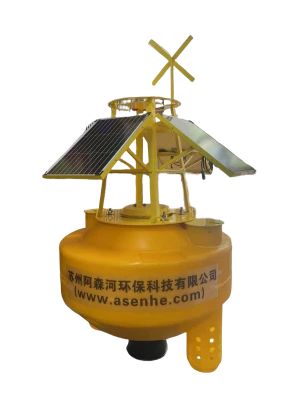
The Environmental Buoy is an intelligent observation device specifically designed for aquatic environmental monitoring and ecological assessment. It can monitor and transmit multiple environmental parameters in real time in oceans, lakes, rivers, and nearshore waters. By integrating various high-precision sensors, it can continuously collect key indicators such as water temperature, salinity, dissolved oxygen, pH, turbidity, chlorophyll concentration, and nutrients, providing a reliable data foundation for environmental protection and scientific research.
The buoy adopts a modular design and an advanced data acquisition system, featuring high precision, low power consumption, and strong stability. Its core control unit can intelligently fuse and filter data from different sensors, ensuring accurate and reliable observation results. The device supports satellite, 4G, or radio communication for remote real-time data transmission and cloud storage. Some models are equipped with a solar power system and energy storage battery, enabling long-term continuous operation without human intervention, meeting all-weather observation needs.
The Environmental Buoy's outer shell is made of corrosion-resistant composite materials, maintaining stable performance in harsh environments such as high salinity, high humidity, and strong radiation. Its floating structure is designed with hydrodynamic optimization, making it highly resistant to wind and waves, and less prone to capsizing or drifting, suitable for deployment in various water conditions.
In terms of applications, environmental buoys are widely used for water quality monitoring, ecological restoration assessment, estuarine and nearshore pollution tracking, marine ranching environmental management, and scientific research project observation. Through long-term data accumulation, it helps research institutions and environmental protection departments understand environmental change trends, promptly detect water anomalies, and provide a scientific basis for environmental governance and resource management.
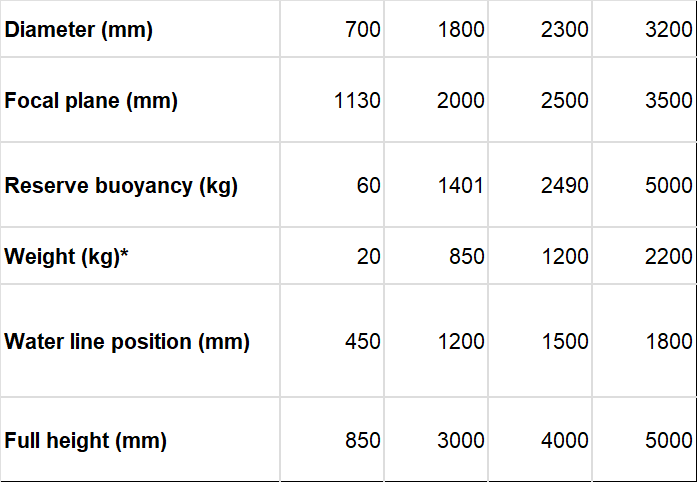
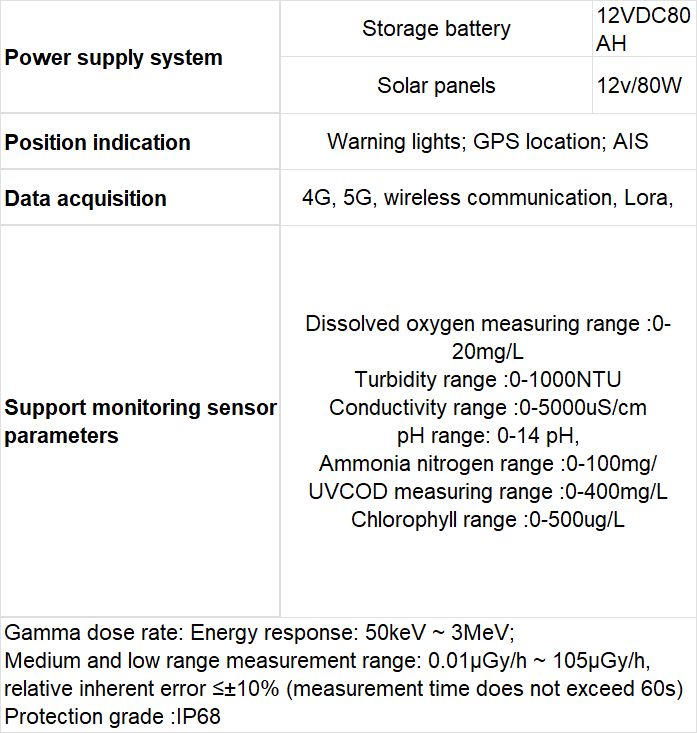
specifications
Key Features
1. Multi-parameter Environmental Monitoring
This environmental buoy is equipped with a series of high-precision sensors that can simultaneously measure temperature, salinity, dissolved oxygen, pH, turbidity, chlorophyll, and nutrient levels, providing a comprehensive understanding of water quality dynamics and ecosystem health.
2. Intelligent Data Processing
The buoy employs an advanced data acquisition and control system capable of multi-sensor fusion and noise filtering, ensuring stable, accurate, and high-frequency data suitable for scientific research and environmental management applications.
3. Reliable Power and Communication System
The buoy utilizes solar modules and high-capacity batteries, enabling continuous operation even in remote or unattended environments. Data can be transmitted in real-time via satellite, 4G, or radio communication networks for cloud-based monitoring and analysis.
4. Durable and Corrosion-Resistant Structure
The environmental buoy is constructed from marine-grade composite materials or high-density polyethylene (HDPE), exhibiting resistance to corrosion, biofouling, and UV degradation. Its hydrodynamic design enhances stability, maintaining accurate measurements even in harsh sea conditions.
5. Modular and Scalable Design
Each buoy supports modular sensor expansion and flexible configuration, allowing users to customize it for specific monitoring tasks such as pollution tracking, aquaculture management, or estuarine ecosystem research.
6. Wide Range of Applications
This environmental buoy is ideal for environmental protection agencies, marine research institutions, and smart water resource management projects, providing long-term, reliable data to support decision-making and sustainable development goals.
Products Description
1. Marine Water Quality Monitoring
Environmental buoys are widely deployed in nearshore areas, harbors, and marine protected areas to monitor parameters such as dissolved oxygen, pH, conductivity, temperature, turbidity, and nutrients in real time. Continuous data collection allows for the analysis of pollution sources, eutrophication levels, and the health of marine ecosystems.
2. Lakes and Reservoir Ecosystem Observation
In inland waters, buoys can be used to track cyanobacterial blooms, changes in water stratification, and pollution diffusion. Real-time data transmission enables environmental agencies to adjust water resource management strategies promptly to ensure drinking water safety.
3. Industrial and Port Environmental Surveillance
Deployed near industrial areas or ports, buoys monitor the concentrations of heavy metals, petroleum hydrocarbons, and chemical pollutants, assessing the impact of industrial emissions on surrounding waters and providing precise data for regulatory authorities.
4. Meteorological and Air-Sea Coupling Monitoring
In addition to water quality parameters, the Environmental Buoy can also carry meteorological sensors to measure wind speed, air pressure, humidity, and radiation data, enabling comprehensive analysis of air-sea interactions.
5. Scientific Research & Long-term Ecosystem Studies
Research institutions utilize environmental buoys to accumulate long-term data, studying issues such as climate change, ocean acidification, and the carbon cycle, providing crucial support for global marine environmental protection.
FAQ
Q1: What is an Environmental Buoy used for?
An Environmental Buoy is a floating monitoring platform designed to measure and record key environmental parameters such as water quality, temperature, salinity, pH, dissolved oxygen, and meteorological data. It provides continuous, real-time data for marine research, environmental protection, and water resource management.
Q2: What kind of sensors can be integrated into the buoy?
Our Environmental Buoy supports multiple sensor modules, including temperature, conductivity, turbidity, chlorophyll, dissolved oxygen, and weather sensors. Custom configurations can be made according to specific monitoring needs.
Q3: How is the data transmitted from the buoy?
The buoy supports various communication methods such as 4G/5G, satellite, and RF transmission. Data can be viewed in real time through a cloud platform or transmitted directly to local monitoring stations.
Q4: What are the power options for the buoy?
Our Environmental Buoys are designed for low power consumption and can be powered by solar panels combined with rechargeable batteries, ensuring long-term autonomous operation even in harsh weather conditions.
Q5: Is the buoy suitable for both freshwater and marine environments?
Yes. The structure and materials of the buoy are corrosion-resistant and can withstand prolonged exposure to both freshwater and seawater environments.
Q6: How durable is the Environmental Buoy?
The buoy is built with high-strength, UV-resistant materials and features a modular design for easy maintenance. It performs reliably in extreme marine conditions and offers a long operational lifespan.
Q7: Can the buoy be customized for specific research projects?
Absolutely. We provide tailored solutions based on different application requirements-whether for oceanic observation, port monitoring, aquaculture, or lake ecosystem studies.
Q8: What makes your company's Environmental Buoy different from others?
Our buoy integrates advanced ocean dynamics algorithms, high-precision MEMS-IMU sensors, and intelligent data correction technology. This ensures accurate, stable measurements with minimal cumulative error, even during long-term deployments.
AsenHe welcomes you!
Hot Tags: environmental buoy, China environmental buoy manufacturers, suppliers, factory, floating environmental sensor, lifeguard buoy for sale, spar buoy, plastic buoys, yellow buoy, wave rider buoy