


In industrial fluid transfer systems, AODD pumps (Air Operated Double Diaphragm Pumps) are typically used to handle complex media conditions. Proper selection and correct use are crucial for ensuring equipment stability and lifespan. Understanding the AODD pump selection strategy from multiple perspectives, combined with practical application scenarios, helps improve overall system performance.
During the selection phase, it's essential to first clarify the basic characteristics of the transported medium, including its chemical properties, viscosity, particle content, and operating temperature range. Different media place different demands on pump body and diaphragm materials. For example, when transporting corrosive liquids, priority should be given to diaphragm and pump body materials with chemical resistance; in applications containing particulate media, greater attention should be paid to the diaphragm's fatigue resistance and the susceptibility of the flow channel structure to clogging.
Flow rate and operating pressure are also key factors to consider during the selection process. The flow rate of an AODD pump is typically related to the inlet air pressure and volume. In practical applications, flow rate variations within a certain range can be achieved by adjusting the air supply conditions. When selecting an AODD pump, it's crucial to meet process requirements while avoiding prolonged operation under extreme conditions to minimize impact on the diaphragm and valve assembly.
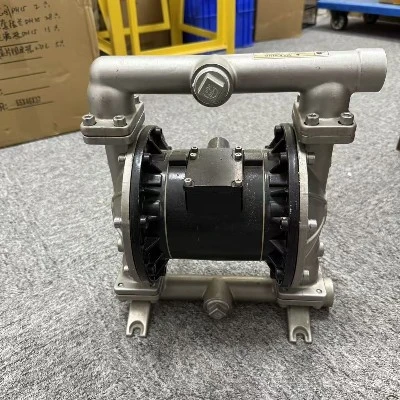
During installation, while AODD pumps are relatively adaptable to environmental conditions, a stable air intake system and reliable piping connections are still essential. Unnecessary bends and resistance should be minimized in the inlet and outlet pipes to ensure smooth delivery. Proper mounting methods can also reduce vibration during operation, contributing to long-term use.
Secondly, the quality of the air source directly affects the AODD pump's operating condition. Maintaining clean and dry compressed air helps reduce wear on the valve system. Excessive moisture or impurities in the air source may affect valve switching, thus impacting pump operation. Therefore, when feasible, it's recommended to install a filter and regulating device at the air inlet.
Daily maintenance of the AODD pump is relatively straightforward, primarily involving inspection of the diaphragm and check valves. The diaphragm gradually ages after prolonged reciprocating motion; regular checks prevent operational interruptions. Wear or jamming of the check valve components can also affect conveying efficiency, requiring cleaning or replacement depending on the actual operating conditions.
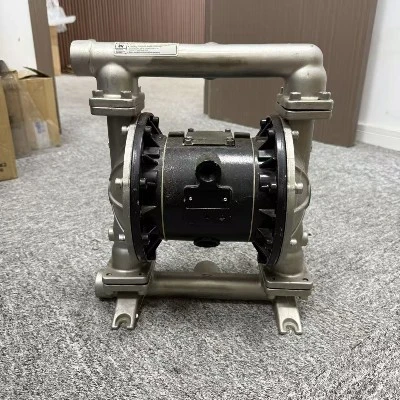
In some applications, AODD pumps may experience discontinuous media supply. While this type of pump allows for short periods of no-load operation, a stable media supply should be maintained as much as possible during long-term use to reduce the impact of repeated no-load stress on the diaphragm. Properly configuring the operating flow can reduce the frequency of component wear.
Overall, AODD pumps are more suitable for conveying systems with certain requirements for safety, adaptability, and operational stability. By selecting the appropriate model based on specific operating conditions and performing basic maintenance during use, the equipment can maintain stable operation over a longer period, meeting the actual needs of different industrial scenarios.